

Losing weight often feels overwhelming with endless diets and conflicting advice. Many people start strong but lose motivation when results stall. Imagine finally finding straightforward methods that fit your life and deliver lasting change.
Unlock Sustainable Results Without Extreme Measures
Picture this: Sarah, a busy mom in her 40s from Chicago, had tried every fad diet under the sun. She would drop a few pounds quickly, only to gain them back and feel defeated. One day, she shifted her approach to focus on small, consistent habits rather than drastic overhauls. Within months, she not only reached her goal but also felt more energized and confident. Stories like Sarah's show that real transformation comes from understanding your body's needs and building routines that stick. It's about creating a lifestyle where weight loss happens naturally, without the constant battle.
Keep reading to learn practical steps that can work for you too.
Master These Proven Strategies Step by Step
Effective weight loss boils down to balancing what you eat, how you move, and how you recover. The following ways provide a clear roadmap, drawing from evidence-based practices used by health experts across the U.S. Each step includes actionable tips to implement right away, helping you build momentum without feeling restricted.
Prioritize Whole Foods in Your Diet
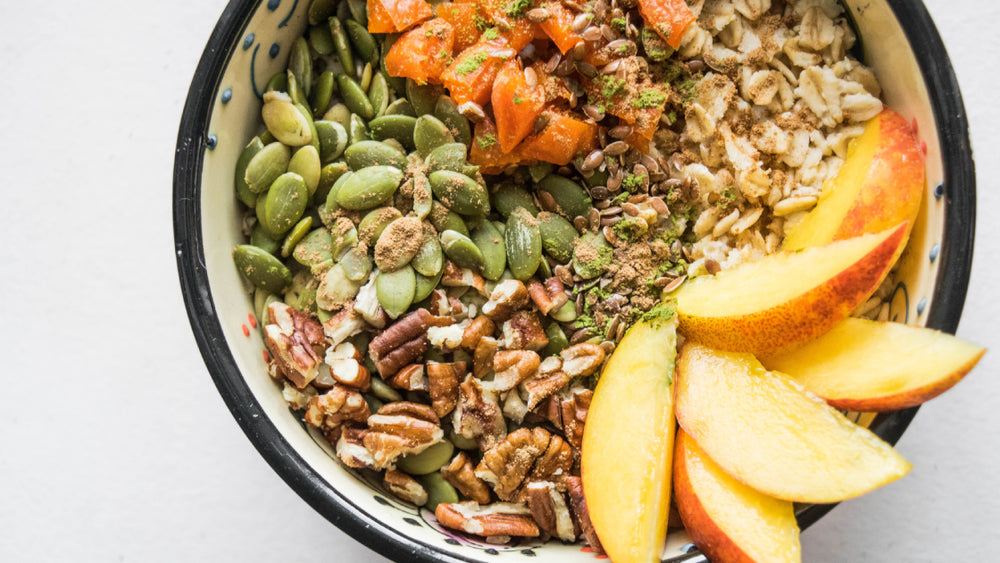
Start by filling your plate with nutrient-dense foods like vegetables, fruits, lean proteins, and whole grains. These choices keep you satisfied longer and provide essential vitamins without excess calories. For instance, swap processed snacks for fresh apples or carrots with hummus.
- Track your intake using a simple app to ensure you're hitting a calorie deficit of 500 per day for gradual loss.
- Incorporate fiber-rich options such as oats or broccoli to aid digestion and curb cravings.
- Aim for balanced meals: half veggies, a quarter protein, and a quarter carbs.
This approach helps regulate blood sugar levels, reducing the urge for sugary treats that derail progress.
Incorporate Regular Physical Activity

Movement doesn't have to mean hours at the gym. Begin with activities you enjoy, like walking in your neighborhood or cycling. Consistency is key—target 150 minutes of moderate exercise per week, as recommended by the American Heart Association.
- Try interval training: alternate brisk walking with slower paces to boost metabolism.
- Include strength exercises twice a week, using bodyweight moves like squats or push-ups.
- Set small goals, such as parking farther away or taking stairs, to build habits gradually.
Over time, this builds muscle, which burns more calories even at rest, accelerating your results.
Stay Hydrated Throughout the Day

Water plays a crucial role in weight management by supporting metabolism and reducing false hunger signals. Many Americans mistake thirst for hunger, leading to unnecessary snacking. Drink at least eight glasses daily, more if you're active.
- Start your morning with a full glass to kickstart your system.
- Infuse water with lemon or cucumber for flavor without calories.
- Use reminders on your phone to sip regularly, especially before meals.
Studies from institutions like the Mayo Clinic show that proper hydration can enhance fat burning during exercise.
Focus on Quality Sleep

Poor sleep disrupts hormones that control appetite, making it harder to resist overeating. Aim for 7-9 hours nightly in a cool, dark room. Establish a routine by winding down without screens an hour before bed.
- Keep a consistent sleep schedule, even on weekends.
- Avoid caffeine after noon to prevent interference with rest.
- Practice relaxation techniques like deep breathing if stress keeps you awake.
Research from Harvard Medical School links better sleep to lower body mass index over time.
Manage Stress Effectively
:max_bytes(150000):strip_icc()/how-to-reduce-stress-5207327_FINAL-907db114a640431ba1e8ecbb9e81b77f.jpg)
Chronic stress triggers cortisol release, which promotes fat storage, especially around the midsection. Incorporate daily practices to unwind, such as meditation or hobbies. Even short breaks can make a difference in your overall well-being.
- Try mindfulness apps for guided sessions lasting just 10 minutes.
- Engage in nature walks to clear your mind and boost mood.
- Journal your thoughts to process emotions without turning to food.
By lowering stress, you'll find it easier to stick with healthy choices consistently.
Track Your Progress Mindfully
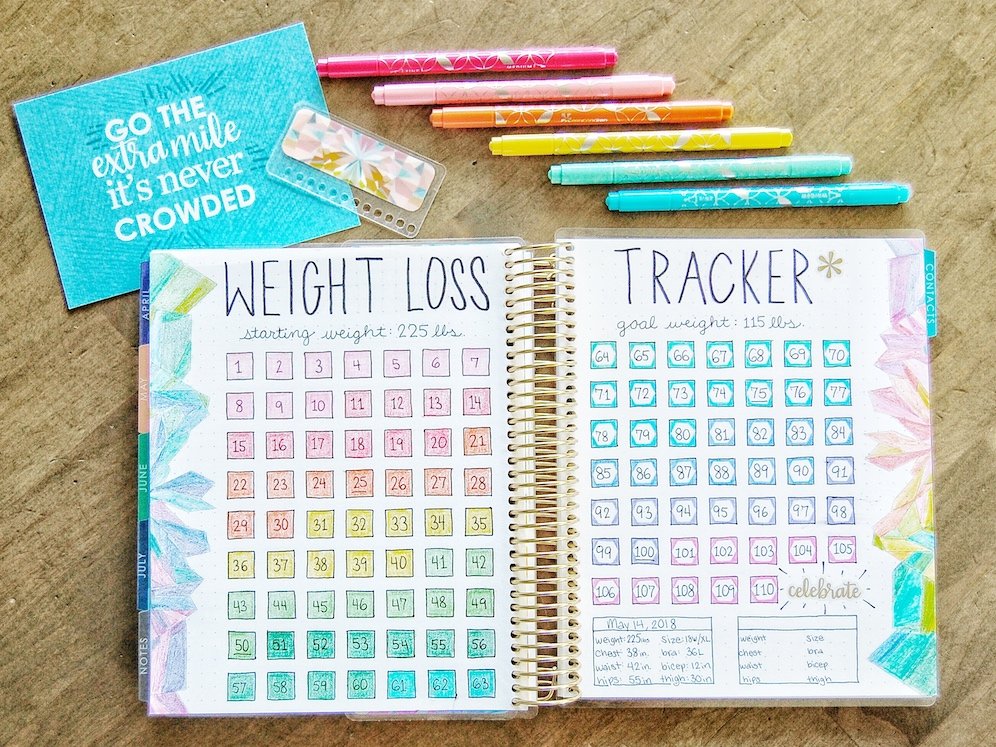
Monitoring helps you stay accountable without obsession. Weigh yourself weekly and note non-scale victories like improved energy or looser clothes. Adjust as needed based on what's working.
- Use a journal to log meals, workouts, and feelings.
- Celebrate milestones with non-food rewards, like a new book.
- Seek support from friends or online communities for motivation.
This method fosters a positive mindset, turning weight loss into a rewarding journey.
Build Sustainable Habits for Long-Term Success
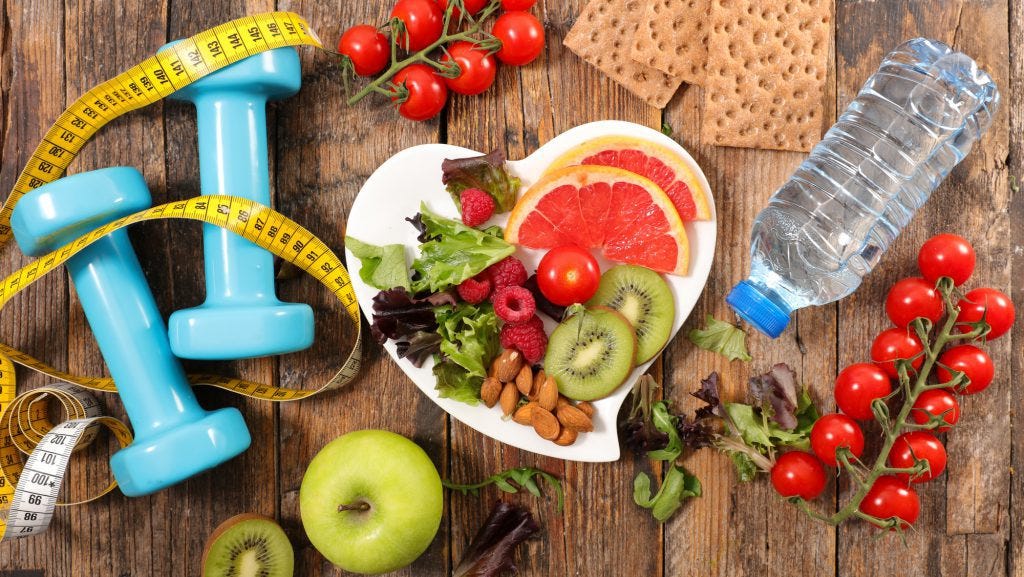
Avoid quick fixes by focusing on changes you can maintain. Experiment to find what suits your lifestyle, whether meal prepping on Sundays or joining a local fitness class. Patience is essential—results compound over months.
- Set realistic goals, like losing 1-2 pounds per week.
- Reassess every month and tweak your plan.
- Remember, slip-ups happen; get back on track without self-criticism.
Adopting these habits leads to not just weight loss but improved health overall.
Ready to take the next step? Subscribe to our newsletter for weekly tips and stay motivated on your journey.
Conclusion
Implementing these ways can transform how you approach weight loss, making it simpler and more achievable. By focusing on balanced nutrition, movement, and self-care, you'll build a foundation for lasting health. Start small today, and watch how these changes add up to significant progress. Your path to a healthier you begins now.
FAQ
How long does it take to see results from these weight loss methods?
Results vary by individual, but many notice changes within 2-4 weeks with consistent effort. Factors like starting weight, age, and metabolism play a role. Focus on sustainable progress rather than rapid drops.
Can I lose weight without exercising?
Yes, diet alone can create a calorie deficit for weight loss. However, adding exercise enhances results, preserves muscle, and improves overall fitness. Start with light activities if you're new to it.
What if I have a medical condition affecting weight?
Consult a healthcare provider before starting any plan, especially with conditions like thyroid issues or diabetes. They can tailor advice to your needs and ensure safety.
Are supplements necessary for effective weight loss?
No, supplements aren't required if you're eating a balanced diet. Whole foods provide most nutrients. If considering any, discuss with a doctor to avoid interactions or unnecessary expense.
How do I stay motivated during plateaus?
Plateaus are normal; switch up routines, like trying new recipes or workouts. Track non-scale wins and remind yourself of your why. Community support can also reignite enthusiasm.
